
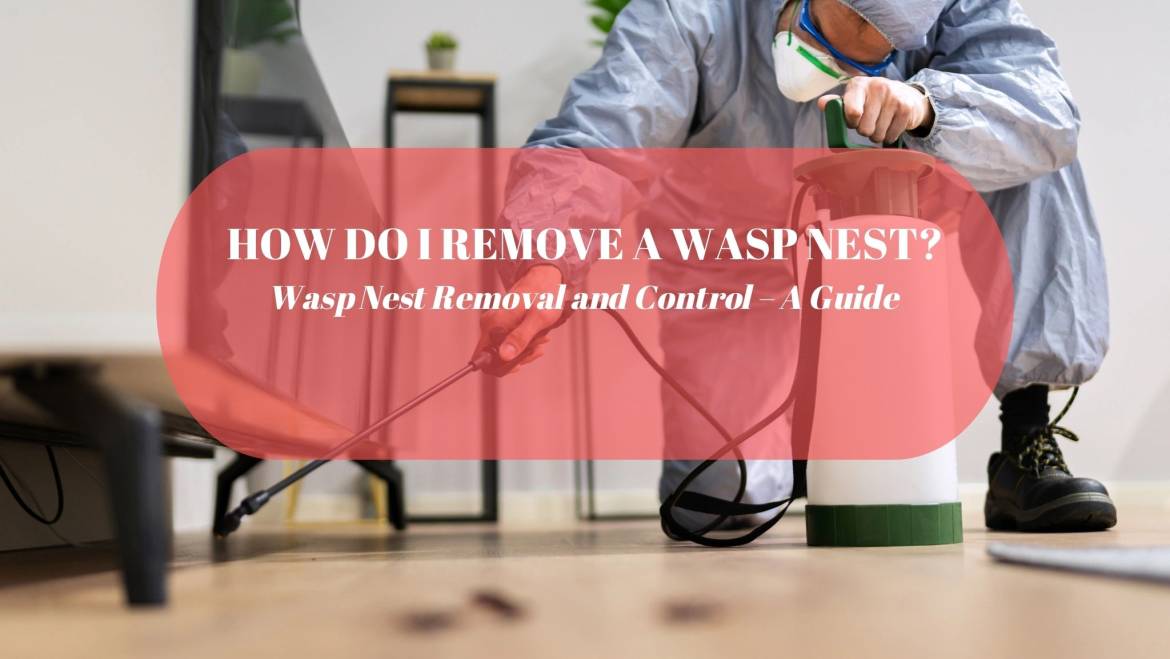
Wasps nesting around your place can go from annoying to dangerous pretty quickly. Paper wasps, European wasps, and mud daubers all sting and spread fast. Small nests might be manageable with protective gear and proper spray, but larger or hidden ones need professional pest control wasp services. The pros identify the species, use proper equipment, and make sure the colony’s actually gone. Prevention matters too: seal gaps, secure bins, clear garden clutter, and check regularly in spring. Let’s look at how to kill wasps safely and keep your backyard sting-free.
Are wasps building a nest on your property? That’s never good news. These pests are more than a nuisance – one sting can ruin your afternoon or, if you’re unlucky, send you to the emergency room.
Spotted a nest and not sure what to do? Should you grab a spray and tackle it yourself, or call in the experts? Let’s weigh each option here.
Understand What You’re Dealing With:
Look, to solve a problem, you first need to understand what the problem exactly is. In this case, it means identifying the type of wasp infesting your place. Australia has a few common varieties, and they all behave differently:
- Paper wasps: They are the most common. They build grey, papery nests hanging from eaves and tree branches.
- European wasps: These ones are aggressive and dangerous. Saw a large colony under your patio or inside your living room’s wall? Must be these troublemakers.
- Mud daubers: These tiny critters are generally harmless. They keep to themselves and rarely cause trouble.
Where do they nest?
Check roof eaves, sheds, trees, and garden beds. Some dig underground, while others hide in wall cavities – spots that often catch people off guard.
When are they worst?
Spring and summer. Colonies can range from a dozen wasps to thousands, and the larger they get, the more defensive they become.
Why You Should Take Wasp Nests Seriously?
Wasps are territorial. Approach their nest without knowing what you’re doing, and they’ll attack within seconds. These aren’t the insects you wanna treat based on their size.
Health risks:
- Wasp stings cause pain, swelling, and sometimes severe allergic reactions.
- Multiple stings can make even healthy people feel unwell, and in some cases, send you to the hospital.
- If you’re allergic, a single sting can be life-threatening.
Hidden dangers:
Nests in wall cavities or underground are especially risky. You often won’t know they’re there until disturbed, which is when people suffer the most stings.
How to Spot a Wasp Nest on Your Property?
Maybe you’ve not yet crossed paths with any of these stinging bugs in proximity. But are you sure your house is wasp-free? Better do a quick scan:
- Visible nests: Are there any paper-like structures hanging in the corners, branches, or outdoor furniture?
- Frequent activity: Did your peripheral vision catch something bee-like flying in and out of the same spot?
- Buzzing sounds: Heard faint humming inside walls or roof spaces that you couldn’t explain?
- Ground holes: Found small openings in the soil through which wasps enter and exit?
If you notice any of these, don’t rush in. Observe from a safe distance before deciding your next step.
DIY Wasp Removal: Should You Try It?
Thinking about handling it yourself? For very small nests, it can be manageable with care. Most tradies will agree – tiny nests can be dealt with safely.
But DIY only works for nests about the size of a golf ball. Anything larger is risky and not worth the danger.
Still decided to give it a go at it? Here’s how to kill wasps without a trip to the hospital:
Essential safety gear:
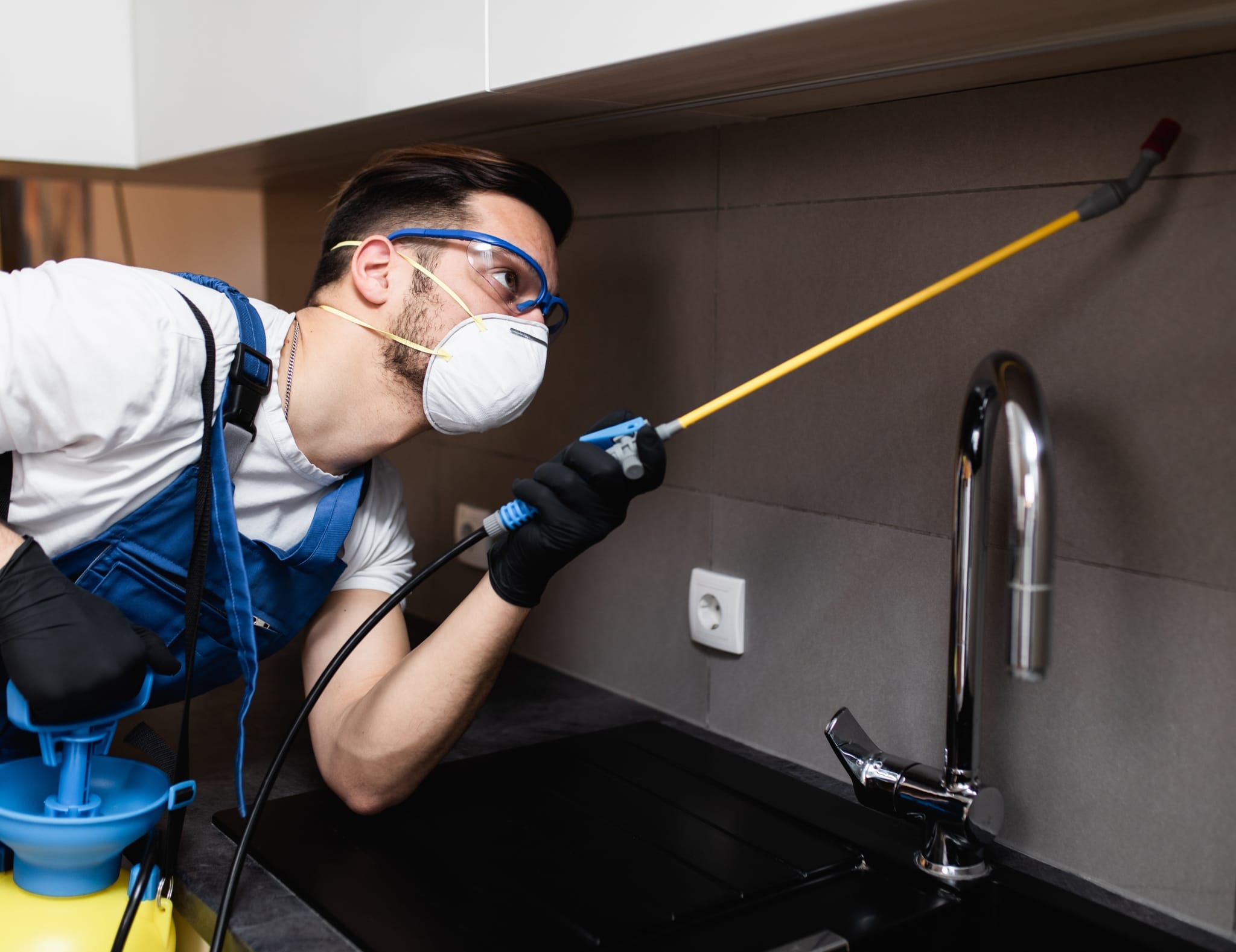
- Protective clothing: Long sleeves, long pants, gloves, eye protection. No shortcuts here, seriously.
- Timing matters: Go at dusk or night when they’re slow and inside the nest. You’ll have way fewer angry wasps to deal with.
- Clear the area: Kids and pets inside, yeah? The last thing you need is them getting in the way or copping stings.
- Have a plan: Know what you’re doing before you get near it. Work out your escape route, too.
Step-by-step removal:
- Get proper spray: Wasp spray made for nests, not regular bug spray. The general spray won’t cut it.
- Stand back: Spray from as far as the can lets you. Hit the nest entrance hard with it.
- Wait 24 hours: Leave it completely alone. Give the spray time to do its job properly.
- Remove carefully: All dead? Knock it down with a long stick. Don’t use your hands.
- Bin it: Bag it up and throw it in the outdoor bin. Make sure the bag’s sealed tight.
When DIY Is a Bad Idea?
Trust us. You need to stay away from any DIY tricks if:
- The nest is larger than a tennis ball
- It’s a European wasp nest
- It’s in a hard-to-reach spot (wall cavities, underground, or high up)
- You’re allergic to stings
In such cases, professional pest control is the only safe option.
Why Professional Wasp Removal Makes Sense
Sometimes you just need to admit you need help. Professional pest control wasps outfits like VIP Pest Control do this stuff day in, day out. We’ve seen every type of nest in every weird spot you can imagine.
What you get with professionals:
- Expert identification: An expert pest controller will straightaway know the species infesting your home. This ensures that they use the best method to get rid of that nest. See, European wasps need a totally different treatment than paper wasps, so you need to know exactly what’s living in your home.
- Proper equipment: Several infestations are either so severe or aggressive that you need protective equipment you won’t find at Bunnings. A professional’s got long-reach sprayers, protective suits, the whole kit.
- Complete elimination: A professional will make sure that every wasp’s gone, and not just temporarily. They also treat the infested area so that new colonies don’t rebuild their nest in the coming season.
- Zero risk: You stay inside safely while they handle the nasty work. No stings, no stress, no running away screaming.
- Local expertise: Looking for wasp removal Bendigo services? VIP Pest Control covers Melbourne and regional Victoria, so no matter where we are, we’re here to sort things out.
Keeping Wasps Away for Good
Got rid of the nest? Good. Now keep them from coming back with a bit of regular maintenance:
Seal entry points:
- Check eaves, walls, and roof spaces for gaps
- Fill cracks with caulk or foam
- Watch where pipes go into your house – wasps love those gaps
Cut off food sources:
- Keep bins sealed properly, not just the lid sitting on top
- Don’t leave pet food sitting outside after your animals eat
- Pick up fallen fruit from trees before it rots
- Cover your compost bin with a proper lid
Look after your garden:
- Trim shrubs and trees regularly so they don’t get overgrown
- Clear out old garden rubbish that makes good nesting spots
- Tidy up sheds and storage areas – wasps love undisturbed corners
Stay alert:
- Check for new nests in spring when they start building
- Look around sheds and roof spaces monthly during warm weather
Do these bits, and wasps won’t find your place so appealing. Regular checks beat dealing with a massive nest later.
The Bottom Line
To be honest, wasps are an issue most homeowners eventually have to face, given the Aussie flora and fauna. And in most cases, small nests can be managed safely, but you need to be aware of your abilities and the size of the problem before attempting DIY.
If the infestation is large or you’re dealing with those aggressive varieties, calling the professionals is the smart choice. And VIP Pest Control brings years of experience and expertise across Melbourne and regional Victoria. Whether it’s wasp removal in Bendigo or elsewhere, we’ll handle it quickly and safely.
The moment you notice a nest, you need to act quickly, or you’ll soon be facing a bigger problem. Wasps grow in multiples, and you don’t really wanna hang around waiting for them to take over your outdoor space. Your backyard is for relaxing, not trying to escape from stinging bugs.
Call VIP Pest Control and enjoy a wasp-free home again.
FAQs
What is the safest way to kill wasps at home?
Since you’ve decided to go the DIY way, the safest way to kill wasps is to use a proper wasp spray at night while wearing protective clothing. Make sure your kids and pets are safely inside.
Can I kill wasps myself without professional help?
You can, yes, but only if the nest is very small – like a golf ball. Anything bigger, and it’s better to call the prof. Plus, nests of European wasps should always be left to professionals.
What products are effective for killing wasps?
Wasp nest sprays are the most effective among available products. Your regular bug sprays are just not going to cut it, so always choose products made specifically for wasps.
When is the best time of day to kill wasps safely?
Evening or night is safest, as wasps are slower and inside the nest, reducing the risk of attacks.
How do pest control companies handle wasp infestations?
Pest control companies follow a tried-and-tested method: they first identify the species infesting your space, then use professional-grade sprays and equipment best suited to those varieties. They also make sure that the nest is completely eliminated and treated to prevent future infestations.
What are the most effective professional wasp control methods?
Let’s see what the experts do: they use wasp sprays specific to the nest’s type, wear protective gear, and use long-reach tools to hard-spray the nest from a safe distance. They also use treatments to ensure that the colony is destroyed and won’t return next year.
Is pest control for wasps safe for pets and children?
Yes! A professionally done pest control is completely safe for pets and children. That’s because experts ensure treatments don’t have substances that can harm pets, children, or your household.
Can wasp nests be removed safely in Bendigo?
Absolutely! Seeing as you’re not going DIY (a wise decision, mate), you can ring up any of the local pest control services in Bendigo. These folks have regularly handled wasp nests and know the safest, most effective methods to get rid of any infestation.
Can I find a reliable wasp removal company in Bendigo?
Always look for licensed pest control companies with significant local experience, such as VIP Pest Control. We are a trusted name in Bendigo for all pest control needs.
Are there seasonal times in Bendigo when wasp removal is most necessary?
Yes! – the warmer months. Spring and summer are peak seasons for wasp infestations. These stinging creatures are most active at this time, so removal is often urgent during these months.

Add Comment
PESTS DON’T STAND A CHANCE… Call us 1800-198-041